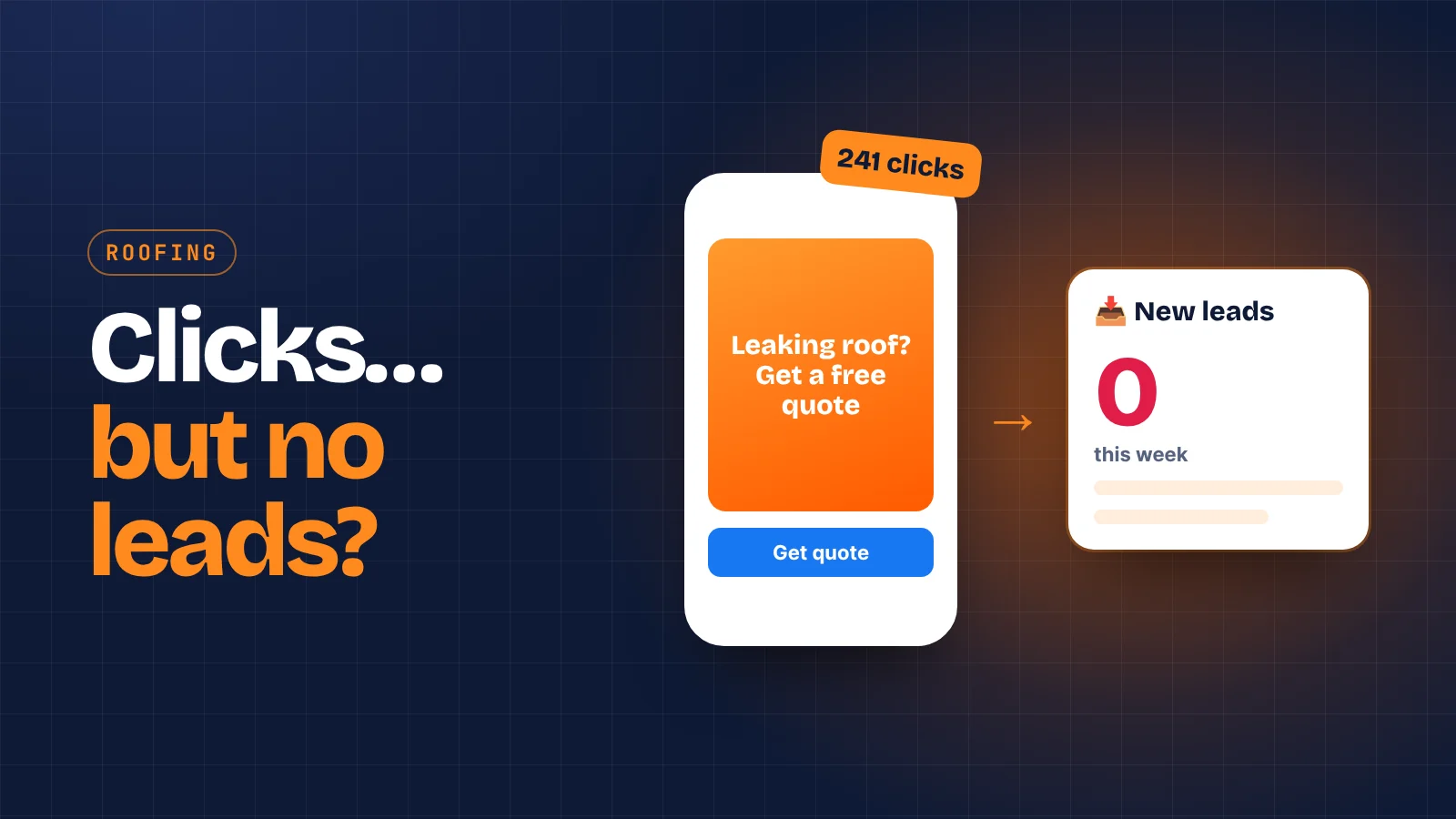
You run Facebook ads. Leads come in. You start calling.
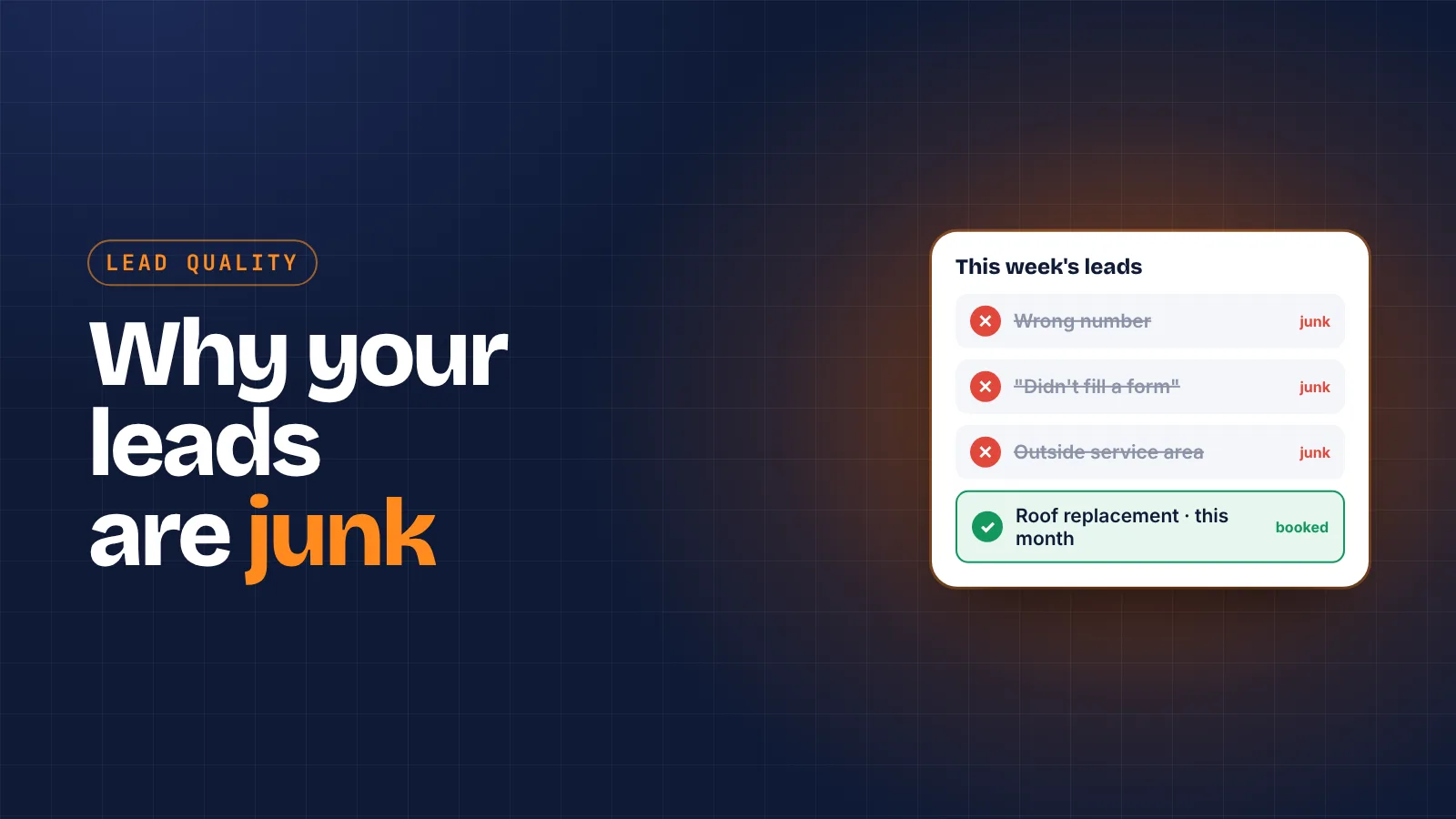
Wrong number. Voicemail. "I never filled in a form." Someone two hours outside your area.
By the end of the week you're wondering if Facebook ads even work. They do. But junk leads almost always come from a few fixable things.
Why Facebook leads go bad
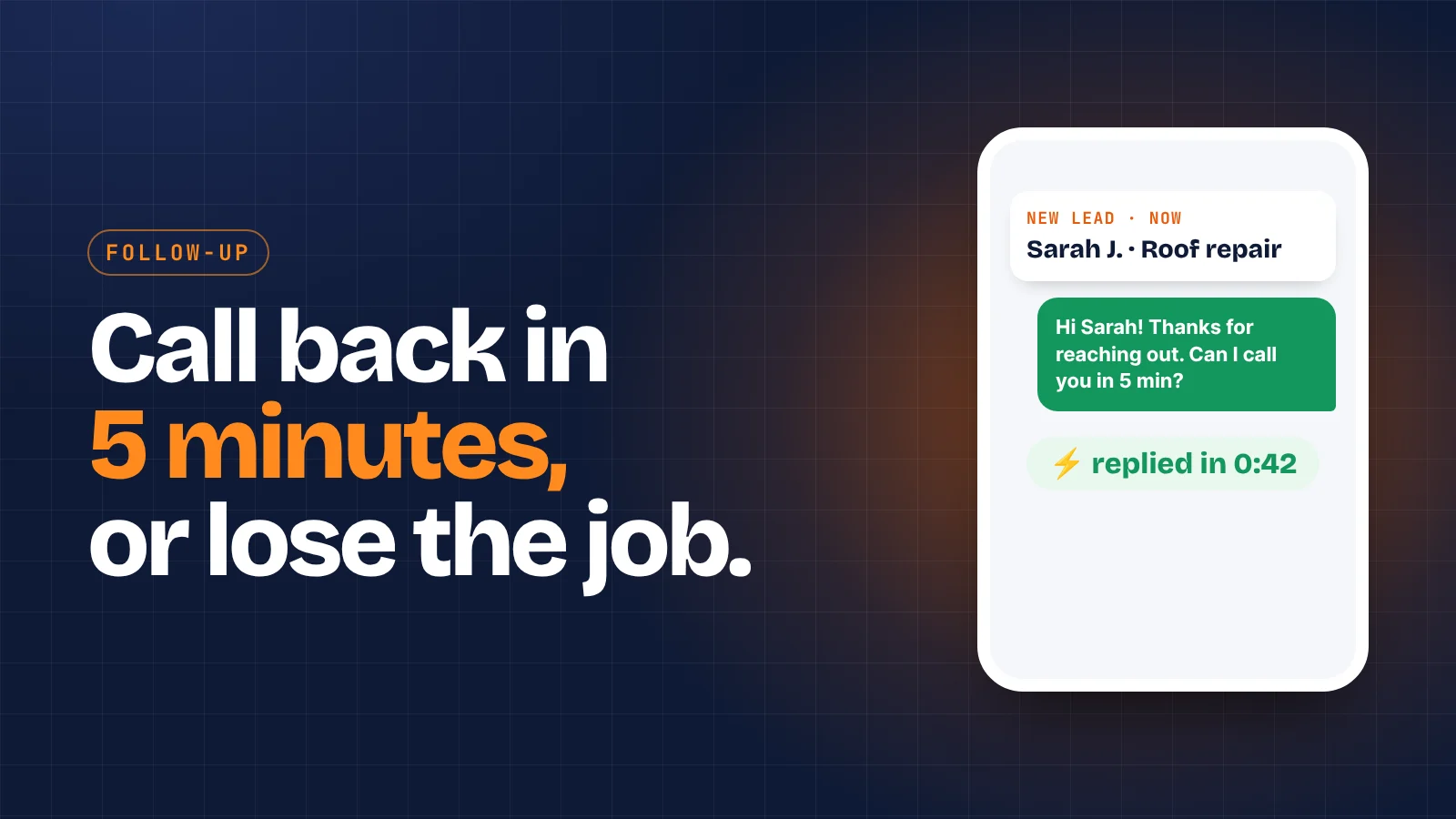
The last one surprises people. A lead that felt like junk was often a good lead that went cold. Here's why the first callback wins.
3 questions that fix it
The fastest fix is to make the form ask a little more. Time-wasters drop off. Real buyers don't mind, because they actually want the job done.
- What do you need done? Filters out people looking for something you don't offer.
- When? Separates people ready to hire from people just browsing. "Just researching" leads are still useful, but they need a different follow-up.
- Zip code. Stops you paying for leads you can't serve.
Also switch your form to Meta's Higher intent type. It adds a review screen so people confirm their details before submitting.1
What good lead quality looks like
For one landscaping client, 294 of 401 leads were qualified. That's about 73%, and it turned into 22 appointments, 16 paying customers and $78K in revenue.
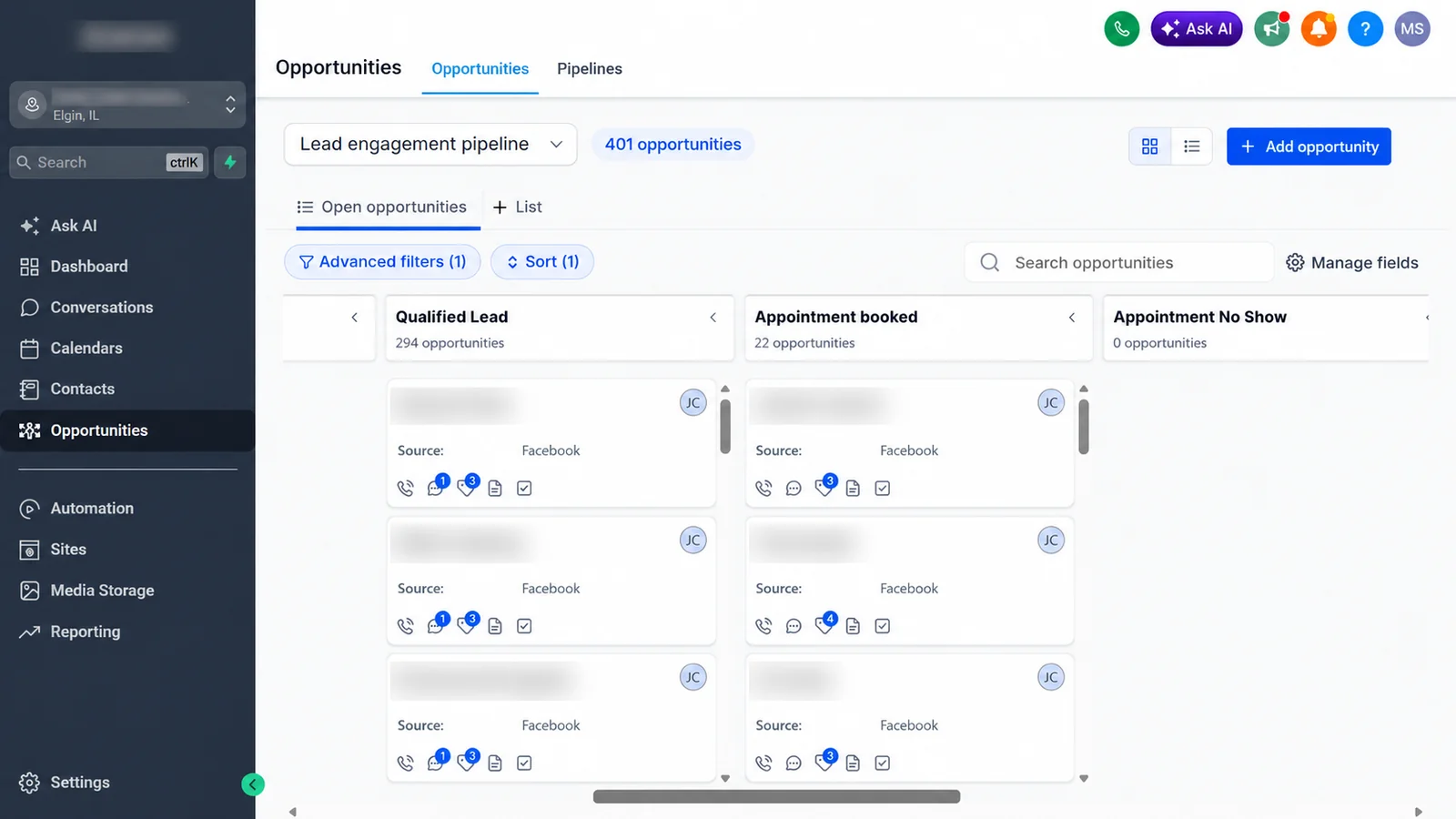
The difference wasn't luck. Every lead went into one pipeline, so we could see which ads brought real customers. Here's the full case study.
Teach Meta what a good lead looks like
Better forms are step one. Step two is telling Meta which leads actually turned into jobs.
When your CRM sends that information back, Meta can start optimising for people who book, not just people who tap a form. This is where cheap leads start turning into good leads.
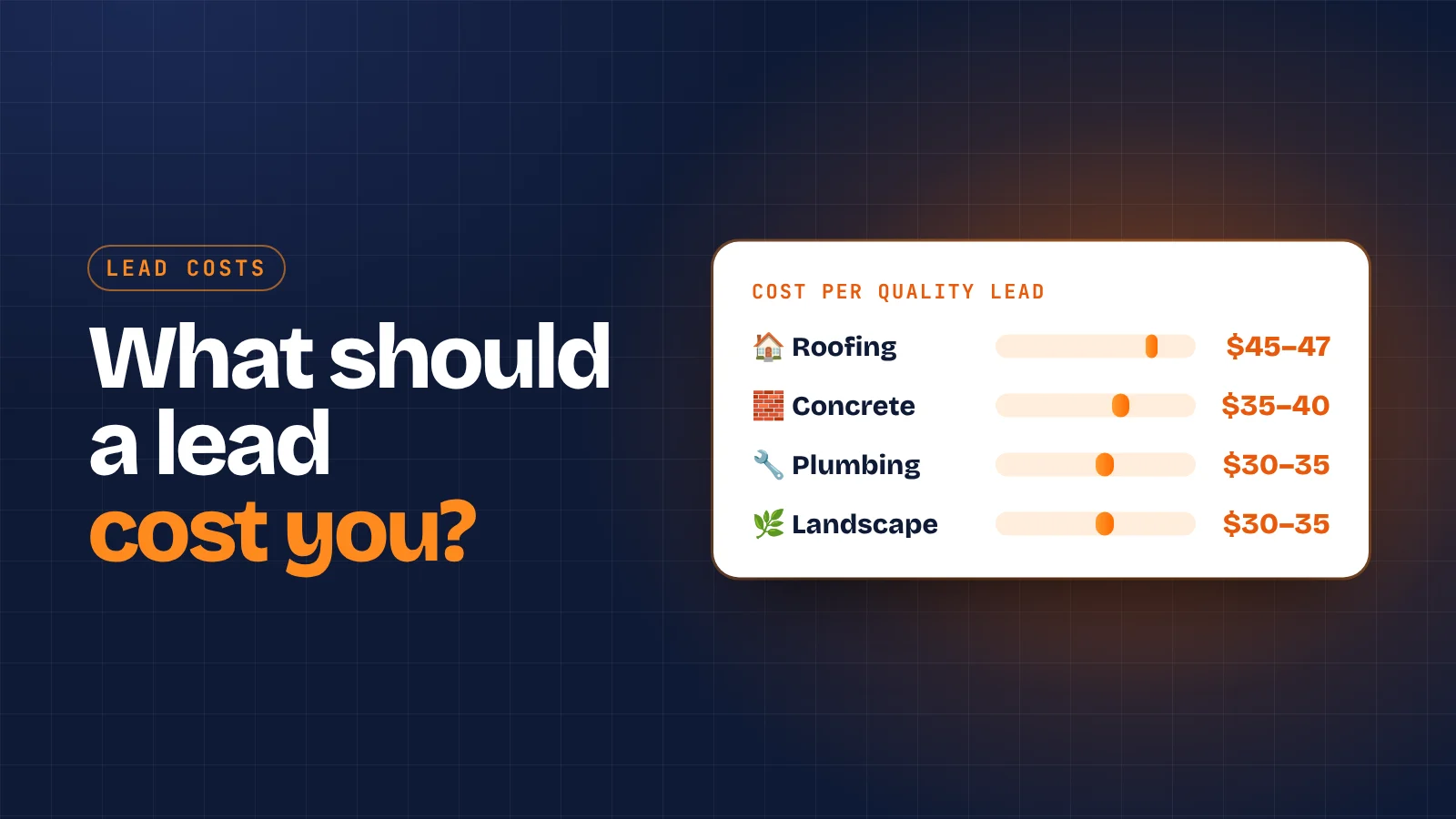
And remember to judge your ads on booked jobs, not cost per lead. Here's how to judge your cost per lead.
A 2-minute check for your account
- Out of your last 20 leads, how many answered the phone?
- How many were in your service area?
- How many booked an estimate?
If fewer than half answered or were in your area, your form is too easy. Start with the three questions above.
Common questions
Why are my Facebook leads so bad?
Usually because the instant form is too easy to submit, the campaign is optimising for the cheapest leads, or follow-up is too slow so good leads go cold.
How do I get better quality leads from Facebook ads?
Add a few qualifying questions to your form (what they need, when, and their zip code), use the Higher intent form type, and text every lead within minutes.
Will qualifying questions lower my number of leads?
Usually a little. But the leads you keep are more likely to answer and book, so you often get more jobs from fewer leads.
Should I stop using Facebook lead forms?
Not necessarily. Lead forms work well with the right questions and fast follow-up. Many contractors also test a landing page to compare booked jobs.

Want me to look at your ads?
Send me your ad account or website. I'll review it personally and tell you the first 3 things I'd fix. Free, no strings attached.